Breast Augmentation in Turkey: Is It Safe? Risks, Recovery and Flying Home (2026)
Published 23 November 2026
Written by the Lotus Health Travel editorial team. Last reviewed: 23 November 2026. Editorial contact: info@lotusgrup.com.tr. General information based on the public and peer-reviewed sources listed below, not medical advice. Your surgeon's assessment always takes precedence.
Breast augmentation in Turkey can be done safely, but it is major surgery wherever it happens. The NHS calls it "a big decision" with real risks, and breast implants are not lifetime devices. Most problems linked to surgery abroad in recent UK and European studies trace back to choosing the provider, planning aftercare and flying home too early. This guide sets out what the evidence says so you can check each of those before you book.
How common is breast augmentation in Turkey?
According to the ISAPS Global Survey 2025, plastic surgeons performed 1,622,639 breast augmentations worldwide in 2025. It was the third most common cosmetic operation overall and the second most common for women. Turkey ranked 7th in the world with an estimated 54,910 breast augmentations, 3.4% of the global total.
A 2026 survey of 250 board-certified plastic surgeons from 36 countries, run by the European Society of Plastic, Reconstructive and Aesthetic Surgery (ESPRAS), found breast augmentation was the procedure they most often performed for international patients.
What does breast augmentation involve?
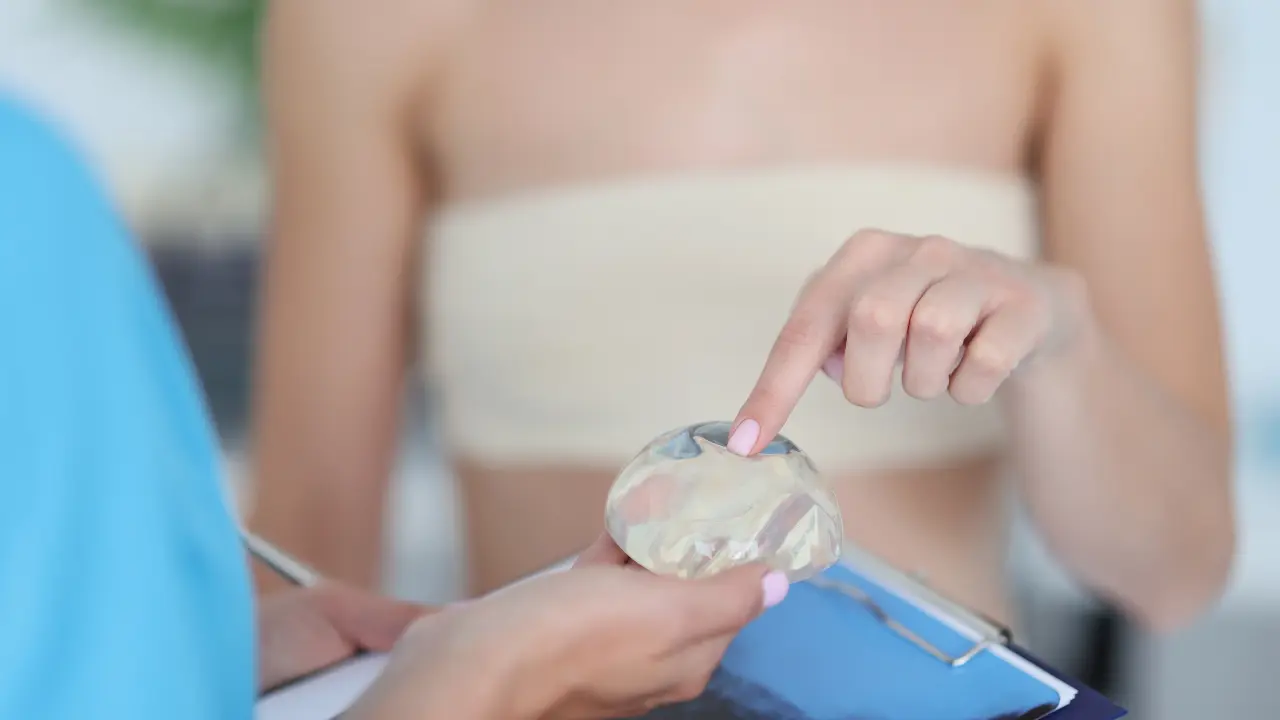
The NHS explains that implants are placed in the breasts to increase their size, change their shape or make them more even. The operation is usually done under general anaesthetic. You may go home the same day or stay in hospital overnight.
Implants are filled with either silicone gel or saline. The NHS notes that silicone implants are the most common type in the UK and tend to feel more natural and wrinkle less, while saline implants are more likely to fold, rupture or go down over time. Your surgeon should also discuss the size, the shape and whether the implant sits behind the breast or behind the chest muscle.
What are the risks of breast implants?
The NHS lists the problems breast implants can sometimes cause:
| Possible problem | What it means |
|---|---|
| Capsular contracture | Scar tissue shrinks around the implant and the breast feels hard |
| Rupture | The implant splits; with silicone, small tender lumps may only show on scans, and the implant needs to be removed |
| Creasing, folding or rippling | Visible folds or ripples in the implant |
| Rotation | The implant turns inside the breast and the shape looks abnormal |
| Scarring | Thick or obvious scars |
| Nipple changes | More or less sensitive, or numb; this can be temporary or permanent |
| Breastfeeding | Slightly less milk than without implants |
Any operation also carries a small risk of bleeding, blood clots, infection and allergic reaction. The US Food and Drug Administration (FDA) lists further local complications that occur in at least 1% of implant patients at some point, including asymmetry, breast pain, seroma, malposition and delayed wound healing. It notes that rupture can be "silent", and that MRI is the most effective way to detect it.
Our view: ask your surgeon how often they see each of these problems in their own patients and how they would correct them. The NHS says your surgeon should be able to tell you both.
What is BIA-ALCL, and how worried should I be?
Breast implant associated anaplastic large cell lymphoma (BIA-ALCL) is not breast cancer. The FDA describes it as a type of non-Hodgkin lymphoma that is usually found in the scar tissue and fluid around the implant.
The UK's Medicines and Healthcare products Regulatory Agency (MHRA) publishes the clearest figures. As of 31 December 2024, it had received 114 confirmed reports where the surgery took place in the UK and 6 where it took place abroad. That is a reporting rate of about 1 per 12,187 implants and tissue expanders sold. One death was reported among the confirmed UK cases, and five-year overall survival was 89%.
Cases are more often linked to macrotextured implants than to microtextured or smooth ones. The MHRA says symptoms appear on average 7 to 10 years after the first operation, most often as a "late" seroma: a fairly quick but painless swelling of one breast over a few weeks. Its advice is to ask your implanting surgeon if you develop a seroma, lump or swelling more than a year after surgery. It also says there is no need to remove textured implants if you have no symptoms.
Our view: because risk depends on the implant surface, ask for the manufacturer, model, size and surface type in writing before you leave the clinic, and keep that record for life.
What is "breast implant illness"?
Some people with implants report symptoms such as fatigue, memory loss, rash, "brain fog" and joint pain, and may call this "breast implant illness". The FDA says these symptoms and their causes are "poorly understood". It also states that it has not found an association between silicone gel-filled implants and connective tissue disease, breast cancer or reproductive problems.
How long do breast implants last?
Breast implants are not lifetime devices. The FDA says the longer you have them, the greater the chance of complications, and their lifespan "cannot be predicted". The NHS says some women need further surgery after about 10 years, either because of the implants or because their breasts have changed around them.
Our view: plan the cost of a possible future operation from the start, and ask where it would be done.
What do UK and European surgeons see after surgery abroad?
Two 2026 studies describe the patients who come home with complications.
The British Association of Aesthetic Plastic Surgeons (BAAPS) analysed 198 cases reported to its cosmetic tourism complications database between September 2022 and September 2024 (Aesthetic Surgery Journal). 76% had surgery in Turkey. Tummy tucks were the most common operation (45%), followed by breast surgery and liposuction. The most frequent complications were wound breakdown (37%) and infection (28%). The authors identified inadequate aftercare (21%), poor preparation before surgery (12%) and flying home too early (5%) as recurring contributing factors.
In the ESPRAS survey, 89% of surgeons had treated complications from surgery done abroad in the previous five years. Breast augmentation was the second most common operation behind those complications. 79.2% named board certification as the single most important thing to check about a surgeon.
Our view: these studies count the patients who had problems, not everyone who travelled, so they do not tell you how often surgery abroad goes wrong. They do show where things go wrong: aftercare, preparation and the timing of the flight. All three can be planned before you travel.
How long is recovery after breast augmentation?
The NHS gives this general timeline:
| Time after surgery | What to expect |
|---|---|
| Soon after | You should be able to move around |
| First week | Do not drive for at least 1 week |
| 1–2 weeks | Time off work; stitches removed unless dissolvable |
| First month | No heavy lifting or strenuous exercise |
| Up to 3 months | Some surgeons recommend a sports bra 24 hours a day |
| 6 weeks | Back to most normal activities; scars start to fade |
| A few months | Breasts start to look and feel more natural |
Your own surgeon's instructions take precedence over this general timeline.
When can I fly home after breast augmentation?
The NHS recommends not flying for 5 to 7 days after breast surgery. Air travel and major surgery both increase the risk of a blood clot, which can be life-threatening. Once you have recovered, the NHS says it is safe to fly and sunbathe with breast implants.
Our view: book a flexible return flight and plan to stay in Antalya at least until your surgeon has examined you and cleared you to fly. Our guide on why surgery abroad is not a holiday explains what to avoid while you recover.
How much does breast augmentation cost?
Cosmetic breast augmentation is not usually available on the NHS. The NHS says the price of private surgery usually does not include consultations or follow-up care, and that you will also have to pay for any future surgery. Prices in Turkey vary by clinic, surgeon, implant and what the package includes; our aesthetic surgery cost guide explains what to compare.
Our view: compare what is included rather than the headline price: implant brand and model, nights in hospital, follow-up visits, compression garments, and what happens if you need revision surgery.
Before you book: checklist
- Surgeon: board-certified plastic surgeon; ask about qualifications, memberships and how many breast augmentations they have done.
- Meetings: the NHS recommends 2 consultations with the surgeon before any surgery, and a cooling-off period (normally 2 weeks in the UK).
- Authorisation: check the facility and the agency on the Turkish Ministry of Health's lists (see below).
- Implant record: manufacturer, model, size, surface type, in writing.
- Aftercare: where follow-up appointments will be, who to call at night, and what happens if you need more surgery.
- Insurance: the NHS notes that travel insurance does not normally cover complications of surgery.
- Flight: at least 5 to 7 days after surgery and only after your surgeon clears you.
- Risk record: the MHRA's Cosmetic Breast Augmentation Patient Risk Awareness Tool helps you discuss risks with your surgeon and keep a record.
How is health tourism regulated in Turkey?
Turkey's Regulation on International Health Tourism and the Health of Tourists (Official Gazette no. 32882, 26 April 2025) sets the rules. Under Article 5(1), the Ministry of Health issues the authorisation certificate for health facilities and USHAŞ issues it for intermediary organisations. Facilities must take out complication insurance for surgical and interventional procedures performed in an operating theatre (Article 6(1)(c)). Hospitals and medical centres must be accredited by TÜSKA, and other facilities must hold a Ministry certificate, by 31 December 2026 (Article 6(1)(b), Provisional Article 1). Lotus Health Travel is an intermediary organisation. You can check names on the Ministry of Health's lists of authorised facilities and intermediary organisations.
What if something goes wrong?
The NHS advises contacting the clinic where the operation was done as soon as possible if you have severe pain or unexpected symptoms. Turkish regulation requires the facility to provide your records, including laboratory results, imaging, a medication list and prescriptions, free of charge on request (Article 12(1)). Our guide on what to do if something goes wrong after treatment in Turkey sets out the steps.
Frequently Asked Questions
Is breast augmentation in Turkey safe? No surgery is risk-free, and breast augmentation is major surgery in any country. Turkey performed an estimated 54,910 breast augmentations in 2025 (ISAPS). UK and European surgeons most often link complications after surgery abroad to inadequate aftercare, poor preparation and flying too early, so check the provider's authorisation, meet your surgeon and plan your aftercare.
How long after breast augmentation can I fly? The NHS recommends not flying for 5 to 7 days after breast surgery, because air travel and major surgery both raise the risk of blood clots. Fly only after your surgeon has examined you and cleared you.
How long do breast implants last? Breast implants are not lifetime devices. The NHS says some women need further surgery after about 10 years, and the FDA says an implant's lifespan cannot be predicted.
What is BIA-ALCL? It is an uncommon lymphoma linked to breast implants, not breast cancer. The MHRA's reporting rate is about 1 per 12,187 implants sold, mostly with macrotextured implants, and symptoms usually appear 7 to 10 years after surgery as swelling around the implant.
How long is recovery after breast augmentation? The NHS advises a week or two off work, no driving for at least a week, no heavy lifting or strenuous exercise for at least a month, and a return to most normal activities by about 6 weeks.
Can I sunbathe or fly with breast implants later on? Yes. Once you have recovered, the NHS says it is safe to sunbathe and fly with breast implants. You should still keep up regular breast screening and tell the radiographer you have implants.
Is breast augmentation available on the NHS? Cosmetic breast augmentation is not usually available on the NHS. The NHS says the price of private surgery usually does not include consultations or follow-up care, and you will also have to pay for any future surgery.
Sources and verification
Every factual statement comes from the sources below, read on 23 November 2026. Figures from databases and surveys describe reported cases, not the complication rate of any country or clinic.
- NHS: Breast enlargement (implants). Page last reviewed 21 September 2023
- NHS: Cosmetic surgery abroad. Page last reviewed 14 December 2022
- US FDA: Risks and Complications of Breast Implants (content current as of 15 December 2023)
- US FDA: Questions and Answers about Breast Implant-Associated Anaplastic Large Cell Lymphoma (BIA-ALCL)
- MHRA (GOV.UK): Breast implants and Anaplastic Large Cell Lymphoma (ALCL), last updated 11 December 2025
- ISAPS Global Survey 2025: Full Report and Press Releases
- Goodarzi MR, Nugent NF, Pacifico MD, Tyler M, Wokes JET. Beauty Abroad, Burden at Home: Complications and National Health Service Impact of Cosmetic Tourism. Aesthetic Surgery Journal, 2026;46(11):1177–1183
- Demirdöver C, et al. Medical tourism in plastic surgery: A European survey on professional practices, perspectives, and challenges. Journal of Plastic, Reconstructive & Aesthetic Surgery, 2026;121:35–45
- Regulation on International Health Tourism and the Health of Tourists, Official Gazette no. 32882, 26 April 2025 (Articles 5, 6 and 12, Provisional Article 1)
- Ministry of Health: Authorised Health Facilities and Intermediary Organisations
Interested in Treatment in Antalya?
Free consultation, no obligation — our coordinators are available 24/7 and respond within hours.
Start Free ConsultationYou Might Also Like
Liposuction in Turkey: Is It Safe, Is It Permanent, and Is Vaser Better? (2026)
What liposuction can and cannot do, how safe it is on its own and combined with other operations, whether the fat comes back, what the evidence says about Vaser, the recovery timeline and when you can fly home. Based on the NHS, peer-reviewed research and the ISAPS 2025 survey.
Hair Transplant Recovery: Week-by-Week and Month-by-Month Timeline (2026)
What happens after a hair transplant, day by day and month by month: swelling, crusts, washing, shock loss, the donor area, when new hair grows, and when you can shower, work, exercise and travel. Based on the NHS and peer-reviewed research.